








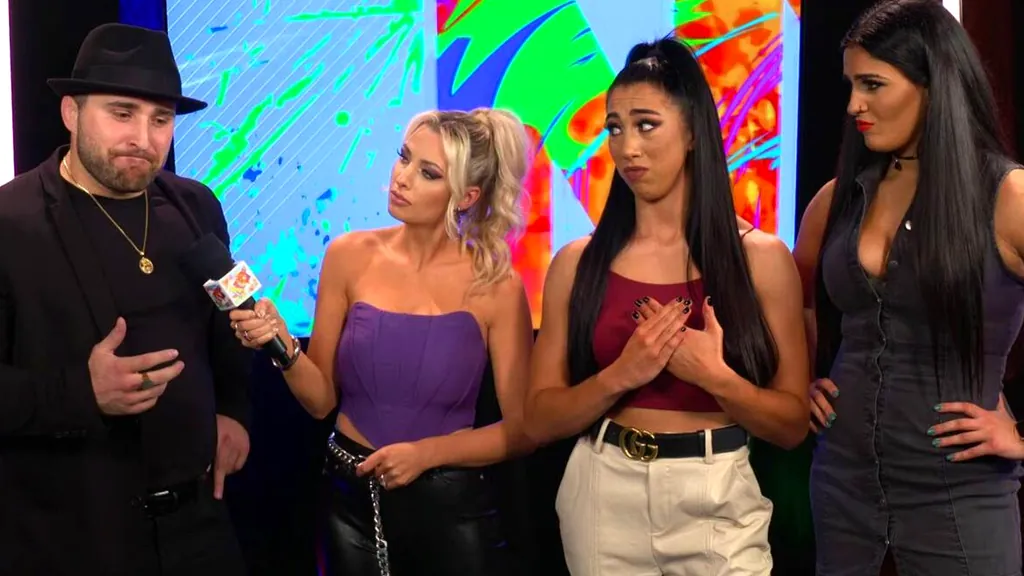
When it comes to wrestling, creativity is a huge part of what makes the sport entertaining. Recently, former WWE star Indi Hartwell opened up about her experience with WWE micromanagement, highlighting how it stifled her creative spirit. In an interview with Studio 1 Sports Channel, Hartwell shared her views on the impact of WWE micromanagement on creativity, comparing her time in WWE to her current experience in TNA.
Table of Contents
- The Impact of Micromanagement
- Hartwell’s Experience in WWE
- Creative Freedom in Wrestling
- The Future of Wrestlers Under Micromanagement
- Frequently Asked Questions (FAQs)
The Impact of Micromanagement
Micromanagement is a term we often hear in various industries, but in wrestling, it can have a unique set of consequences. Many wrestlers have voiced their concerns about how strict oversight can limit their ability to express themselves. According to Hartwell, the impact of WWE micromanagement on creativity can lead to frustration and a lack of enthusiasm among performers.
When performers feel they cannot fully express their character or storylines, it can create a disconnect with fans. This is vital for wrestling, where emotional connections are key to drawing in audiences. Hartwell’s experiences shed light on an ongoing conversation in the wrestling community about finding a balance between creative control and organizational structure.
Understanding Micromanagement in Wrestling
In essence, micromanagement in wrestling refers to the extensive control exercised by those in power, particularly executives and creative team members, over the individual performances and creative directions of the wrestlers. This can manifest in various ways, from script changes to character development restrictions. The reality is that when every aspect of a wrestler’s persona is dictated by someone else, it can lead to a stifling environment where talent feels undervalued.
Consequences on Fan Engagement
The emotional connection between wrestlers and fans is integral to the success of any wrestling promotion. When wrestlers are unable to portray authentic versions of themselves or their characters due to external constraints, the stories being told in the ring can feel inauthentic. This disconnect can lead to diminished audience engagement and, ultimately, a decline in viewership. Fans often root for wrestlers they can relate to or admire, so creating a platform where wrestlers can thrive creatively is essential for the industry’s health.
Hartwell’s Experience in WWE
During her time in WWE, Indi Hartwell often felt constricted by the company’s management style. She noted that the strict guidelines imposed by WWE led to a lack of creativity, which is essential for someone in her position. Hartwell emphasized that while she has great respect for WWE, the micromanagement did not allow her to explore her character fully.
The Creative Constraints of WWE
Hartwell’s frustrations with WWE micromanagement are not isolated experiences. Many wrestlers have come forward with similar sentiments, expressing how stringent creative directions can hamper their ability to connect with fans. The rigid structure often prohibits wrestlers from improvising or making spontaneous decisions that could resonate better with the audience.
Comparing Experiences: WWE vs. TNA
Reflecting on her transition to TNA, Hartwell noted a significant difference in how creative decisions are made. The environment at TNA allows for more collaboration and input from the wrestlers, fostering a sense of ownership over their characters and storylines. This collaborative approach encourages them to explore various facets of their personas, leading to more dynamic and engaging performances that fans can appreciate.
Creative Freedom in Wrestling
The wrestling industry has always thrived on creativity. Each wrestler brings a unique persona to the ring, and fans connect with their stories. Creative freedom allows wrestlers to explore their characters in depth, leading to more engaging matches and storylines. Hartwell’s shift to TNA has given her the opportunity to express herself without the heavy hand of WWE micromanagement.
The Importance of Character Development
Character development is a crucial aspect of wrestling. When wrestlers have the freedom to develop their characters organically, they can create more relatable and compelling narratives. Hartwell’s newfound freedom in TNA has allowed her to delve deeper into her character, experiment with different storylines, and connect with fans on a more personal level.
Fan Reactions to Authentic Performances
Wrestling fans are incredibly perceptive and often can tell when a performer is genuinely invested in their character. Hartwell’s authentic performances in TNA have garnered positive reactions from fans, who appreciate the more relatable and engaging storytelling. This shift illustrates how creative freedom not only benefits the wrestlers but also enhances the overall fan experience, creating a more vibrant wrestling environment.
The Future of Wrestlers Under Micromanagement
As the wrestling landscape evolves, it’s crucial for organizations to consider how their management styles affect their talent. The impact of WWE micromanagement on creativity is a critical issue that needs to be addressed. If wrestlers feel they can’t bring their ideas to life, the entire industry suffers.
Emerging Trends in Wrestling Promotions
Wrestlers like Hartwell are paving the way for a new generation of performers who value creative expression. The shift towards allowing wrestlers more freedom can lead to richer storylines and more compelling matches, ultimately benefiting the fans as well. Organizations that recognize the value of creativity and implement less restrictive policies will likely attract and retain top talent.
The Role of Leadership in Promoting Creativity
Leadership in wrestling promotions plays a pivotal role in shaping the creative landscape. Those at the top must foster an environment where talent feels safe to express their ideas and take risks. By prioritizing creative freedom, promotions can cultivate a more dynamic and engaging product, keeping fans excited and invested in the stories being told.
Frequently Asked Questions (FAQs)
What is WWE micromanagement?
WWE micromanagement refers to the strict oversight and control that WWE executives have over creative decisions, often limiting wrestlers’ ability to express their characters fully.
How does micromanagement affect creativity in wrestling?
Micromanagement can stifle a wrestler’s creative expression, leading to frustration and disconnection from fans. It limits opportunities for wrestlers to explore their characters and storylines.
What are the effects of creative freedom in wrestling?
Creative freedom allows wrestlers to develop their characters fully, leading to more engaging storylines and matches. This connection enhances the overall experience for fans.
Why did Indi Hartwell leave WWE?
Indi Hartwell left WWE due to feelings of being creatively restricted by the organization’s micromanagement style, seeking a more flexible environment in TNA.
What can other wrestling promotions learn from WWE’s micromanagement?
Other promotions can learn to balance structure with creative freedom, allowing wrestlers to express themselves while still adhering to organizational goals.